Wrapped Bitcoin (wBTC)
Wrapped Bitcoin (wBTC) is an ERC-20 token backed 1:1 by Bitcoin, enabling BTC holders to use their assets in Ethereum DeFi, trading, and lending while introducing some custody and compliance risks.
Wrapped Bitcoin (wBTC) is an ERC-20 token backed 1:1 by Bitcoin, enabling BTC holders to use their assets in Ethereum DeFi, trading, and lending while introducing some custody and compliance risks.















Bitcoin is the most valuable and widely held cryptocurrency in the world. But the Bitcoin blockchain was not designed to interact with smart contracts or decentralized applications. This limitation created a problem for the growing DeFi ecosystem that needed Bitcoin's liquidity but could not natively access it.
Wrapped Bitcoin (wBTC) solves this problem. It is an ERC-20 token on the Ethereum blockchain that represents Bitcoin on a one-to-one basis. Every wBTC in circulation is backed by an equivalent amount of real Bitcoin held in reserve by a custodian. This allows Bitcoin holders to participate in Ethereum-based DeFi protocols, lending platforms, and decentralized exchanges without selling their Bitcoin.
Think of it as a tokenized version of Bitcoin that speaks Ethereum's language.
The wrapping process involves three key participants:
The process works as follows:
Every mint and burn transaction is recorded on-chain, making the entire reserve process publicly verifiable at any time.
Once Bitcoin is wrapped, it can be used across the Ethereum ecosystem just like any other ERC-20 token:
While wBTC makes Bitcoin more versatile, it introduces a fundamental trade-off: centralized custody. Unlike native Bitcoin held in a self-custodied wallet, wBTC relies on BitGo and approved merchants to hold the underlying reserves honestly and securely.
This creates risks that users need to understand:
From a compliance standpoint, wBTC transactions carry the same AML obligations as any other crypto asset but with added layers of complexity.
Key compliance considerations include:
Regulators increasingly expect businesses handling wrapped assets to apply the same level of diligence as they would to any native cryptocurrency.
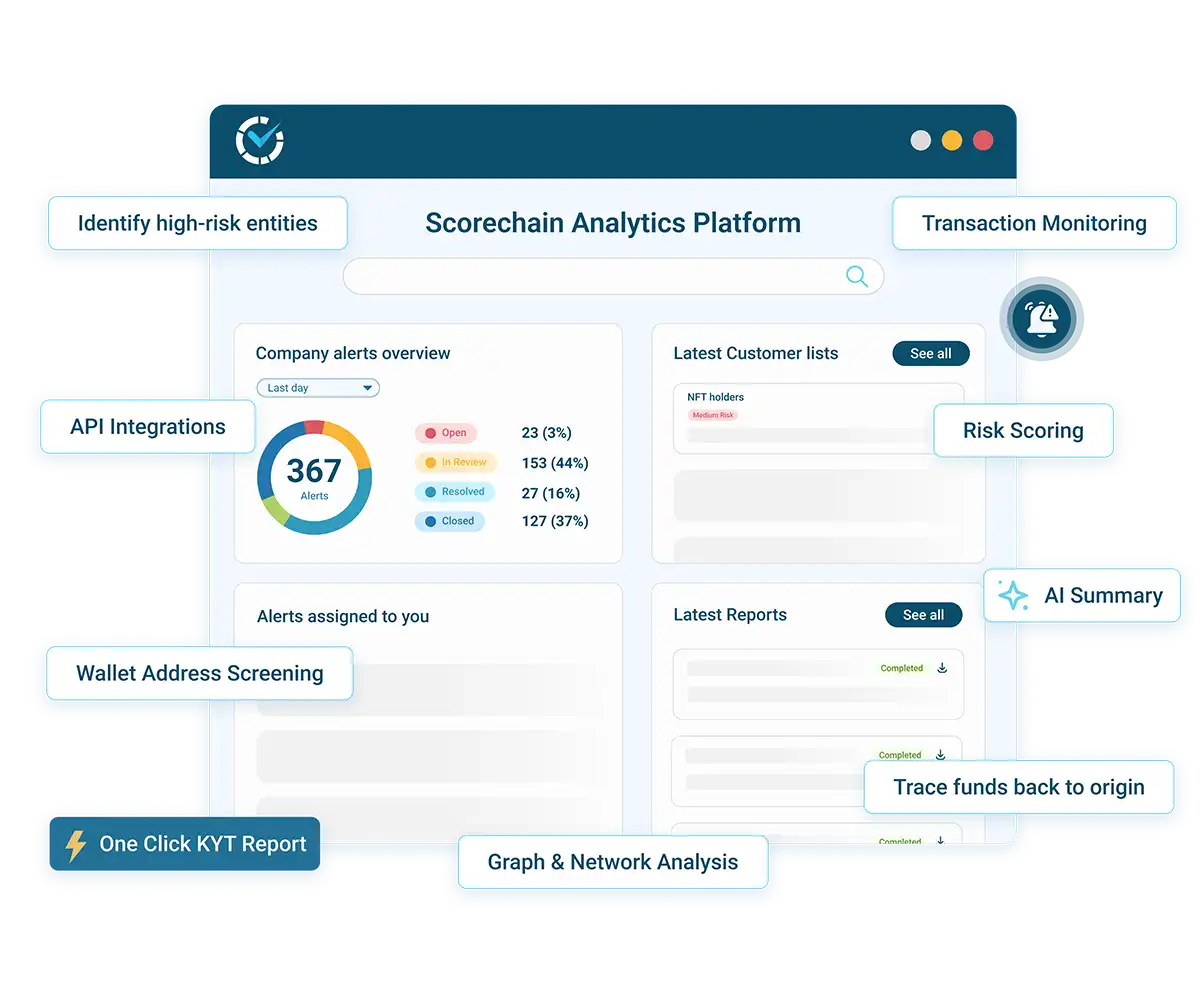
Monitoring wrapped assets like wBTC requires analytics capabilities that span both the Bitcoin and Ethereum blockchains simultaneously. Scorechain's blockchain analytics platform covers both networks and supports cross-chain fund flow tracing, wallet screening, and risk scoring across 21 plus blockchains and 10,000 plus crypto assets.
Whether you are screening a wBTC wallet for sanctions exposure, tracing funds that moved between Bitcoin and Ethereum through the wrapping process, or monitoring DeFi interactions involving wrapped assets, Scorechain provides the multi-chain intelligence needed to maintain compliance with confidence.
Visit scorechain.com to learn more about how Scorechain handles wrapped asset compliance, or book a demo to see the platform in action across Bitcoin and Ethereum simultaneously.
From wallet screening and KYT monitoring to deep-dive investigations, Scorechain gives you everything you need to stay compliant, secure, and audit-ready.