Seed Phrase Wallet
A seed phrase wallet is a non-custodial crypto wallet secured by a 12–24 word recovery phrase that acts as the master key to access and restore all funds.
A seed phrase wallet is a non-custodial crypto wallet secured by a 12–24 word recovery phrase that acts as the master key to access and restore all funds.
















Every self-custodied crypto wallet comes with a single most important piece of information. Not a password. Not a PIN. A seed phrase.
A seed phrase wallet refers to any non-custodial cryptocurrency wallet that is secured and recovered using a seed phrase, also known as a recovery phrase or mnemonic phrase. This is a randomly generated sequence of 12, 18, or 24 common words that serves as the master key to everything inside the wallet.
Lose your device, forget your password, or switch to a new wallet app entirely. As long as you have your seed phrase, you can fully restore access to your funds.
Seed phrases are not random strings of characters. They follow a precise standard called BIP-39 (Bitcoin Improvement Proposal 39), which defines a list of 2,048 common English words from which seed phrases are drawn.
When a wallet is created:
This means one seed phrase can control hundreds of wallet addresses across multiple blockchains simultaneously, all recoverable from those same words in the correct order.
A typical 12-word seed phrase looks like this:
witch collapse practice feed shame open despair creek road again ice least
The order of words matters completely. Rearranging even two words produces an entirely different wallet with no connection to the original.
Seed phrase wallets come in several forms depending on how and where the private keys are stored:
The seed phrase is the single point of failure for any self-custodied wallet. Anyone who obtains it gains complete and irreversible access to all funds in the wallet. There is no customer support, no account recovery service and no way to reverse a transaction made by someone using a stolen seed phrase.
Best practices for seed phrase security include:
From a compliance perspective, seed phrase wallets present unique challenges. Because they are non-custodial, there is no third-party platform verifying user identity or monitoring transactions. This makes them a common choice for individuals seeking financial privacy, but also for those attempting to move funds outside of regulated channels.
Key compliance concerns include:
Regulators in multiple jurisdictions are increasing scrutiny of transactions involving unhosted wallets, making it essential for exchanges and custodians to screen counterparty wallet addresses regardless of whether they are custodial or self-custodied.
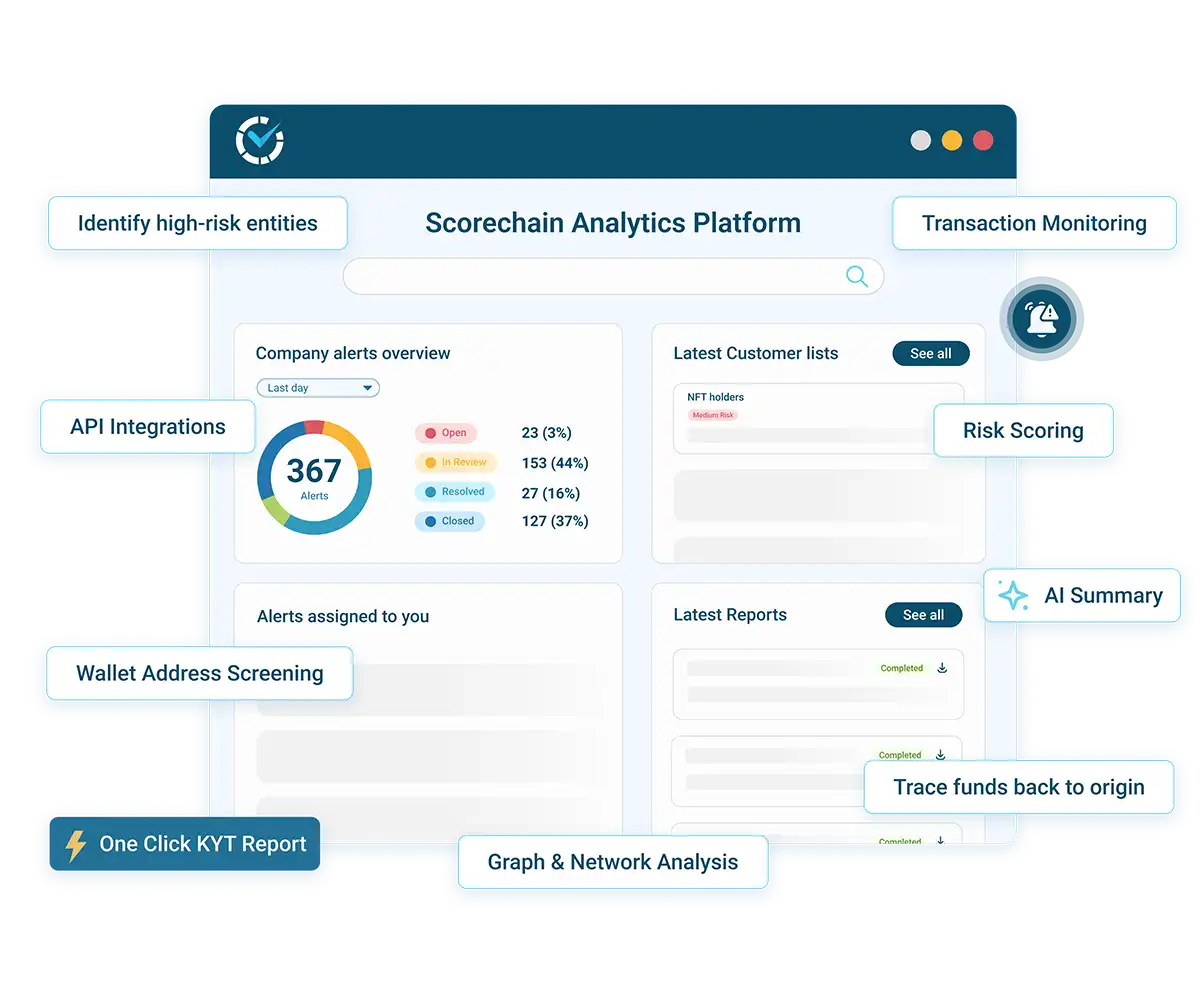
When funds move from a seed phrase wallet to a regulated platform, compliance teams need to assess the risk of that wallet quickly and accurately. Scorechain's blockchain analytics platform enables instant wallet screening, transaction history analysis and risk scoring for any wallet address across 21 plus blockchains and 10,000 plus crypto assets.
Whether a wallet is custodial or self-custodied, Scorechain gives compliance teams the on-chain intelligence needed to make informed decisions before processing any transaction. Visit scorechain.com to learn more, or book a demo to see how Scorechain handles unhosted wallet compliance in practice.
From wallet screening and KYT monitoring to deep-dive investigations, Scorechain gives you everything you need to stay compliant, secure, and audit-ready.