Transaction Hash (TxID)
A transaction hash (TxID) is a unique code generated for every blockchain transaction, acting as a digital receipt to verify, track, and view details like sender, receiver, and amount.
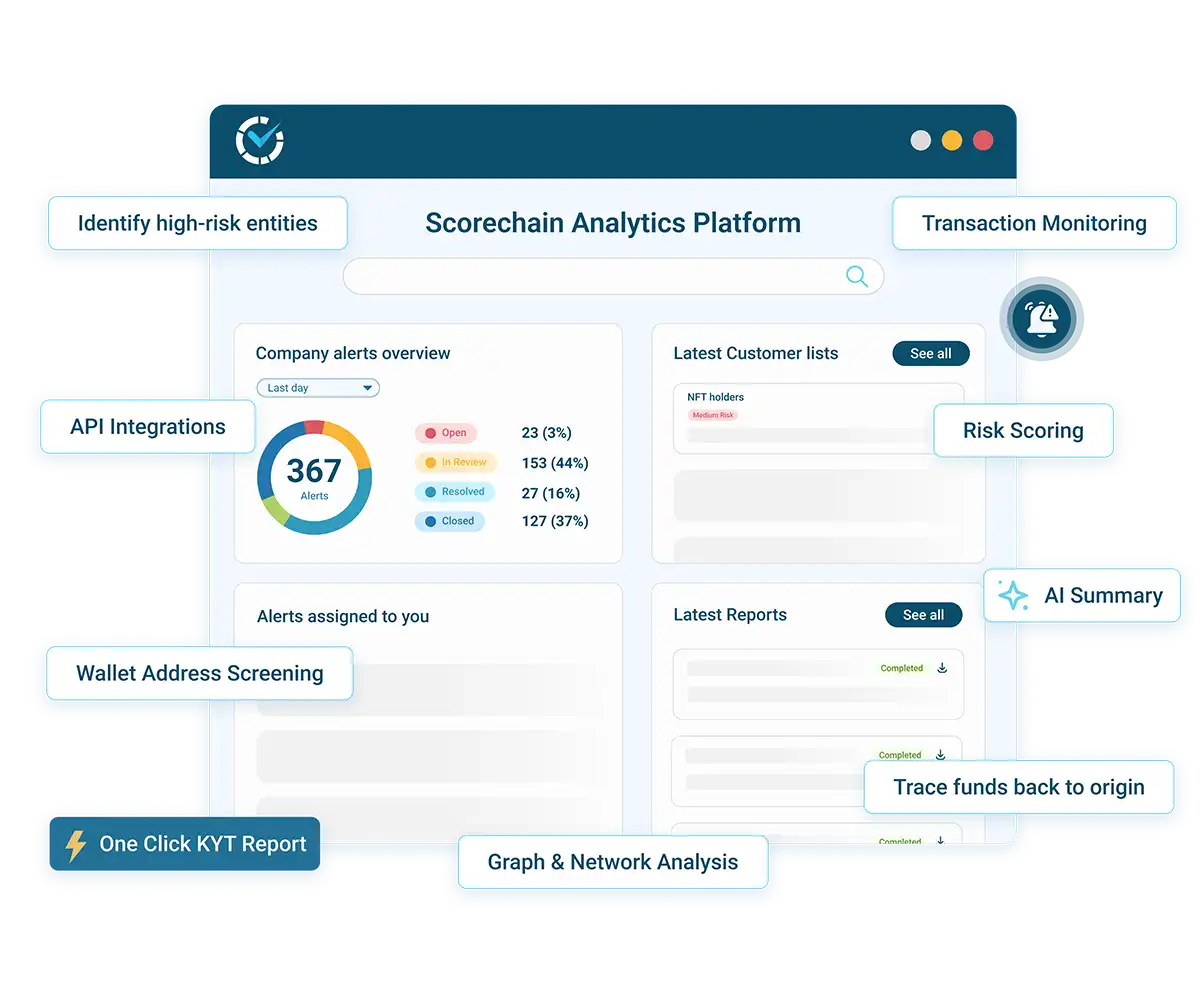
A transaction hash (TxID) is a unique code generated for every blockchain transaction, acting as a digital receipt to verify, track, and view details like sender, receiver, and amount.


















Every time a transaction takes place on a blockchain, whether it's sending Bitcoin, transferring a stablecoin, or interacting with a smart contract a unique identifier is generated to record that event. This identifier is called a Transaction Hash, also known as a TxID (Transaction ID) or Transaction ID.
Think of a transaction hash as a digital receipt. Just like a receipt from a store proves that a purchase happened, a transaction hash proves that a specific blockchain transaction occurred exactly when it happened, how much was transferred, and between which addresses.
No two transaction hashes are the same. Each one is completely unique to its transaction, making it one of the most important tools for tracking, verifying, and auditing activity on a blockchain.
The word "hash" comes from cryptographic hashing, a mathematical process that takes any input (in this case, all the details of a transaction) and converts it into a fixed-length string of characters. For example, a Bitcoin transaction hash looks something like this:
3f6a2b1d9e7c4a8b5d2e0f1c3a6b9d4e7f2a0c5b8d1e4f7a2c5b8e1d4f7a0c3
This long string of letters and numbers is the result of running the transaction data through a cryptographic hash function (like SHA-256 on Bitcoin). It doesn't matter how large or small the transaction is the output is always the same fixed length.
What makes hashing powerful for blockchain is that:
This makes transaction hashes tamper-proof. If anyone tried to alter a recorded transaction, the hash would change completely, and the network would immediately reject it.
Transaction hashes vary slightly depending on the blockchain, but they all share one thing in common they are long strings of alphanumeric characters. Here are examples of what they look like on different networks:
Despite the differences in format, all transaction hashes serve the same fundamental purpose to uniquely identify a transaction on their respective blockchain.
Once you have a transaction hash, you can look it up on a blockchain explorer, a publicly accessible website that lets anyone search and view blockchain data. Popular explorers include:
By entering a TxID into a blockchain explorer, you can instantly see:
This transparency is one of the core principles of blockchain technology. Every transaction is publicly verifiable by anyone, anywhere in the world.
When you send a crypto transaction, here's what happens behind the scenes:
Once recorded, the TxID exists forever on the blockchain. It cannot be deleted, altered, or hidden.
For compliance teams, blockchain investigators, and financial institutions, tracking transaction hashes across multiple blockchains manually is nearly impossible at scale.
Scorechain provides a powerful blockchain analytics platform that lets you look up transaction hashes, trace fund flows, detect risk, and monitor wallets in real time — all from a single dashboard. With support for 21+ blockchains and 10,000+ crypto assets, Scorechain makes it easy to turn raw transaction data into actionable compliance intelligence.
Whether you need to investigate a suspicious TxID, screen counterparty wallets, or stay compliant with MiCA and FATF regulations, Scorechain has you covered.
Book a Demo with Scorechain and discover how effortless crypto transaction monitoring can be.
From wallet screening and KYT monitoring to deep-dive investigations, Scorechain gives you everything you need to stay compliant, secure, and audit-ready.