







Token and stablecoin issuers must understand how their assets circulate on-chain, identify emerging risks, and maintain visibility over secondary market activity across multiple environments.
Scorechain helps issuers monitor token circulation and on-chain activity to better understand usage, exposure, and evolving risk patterns.
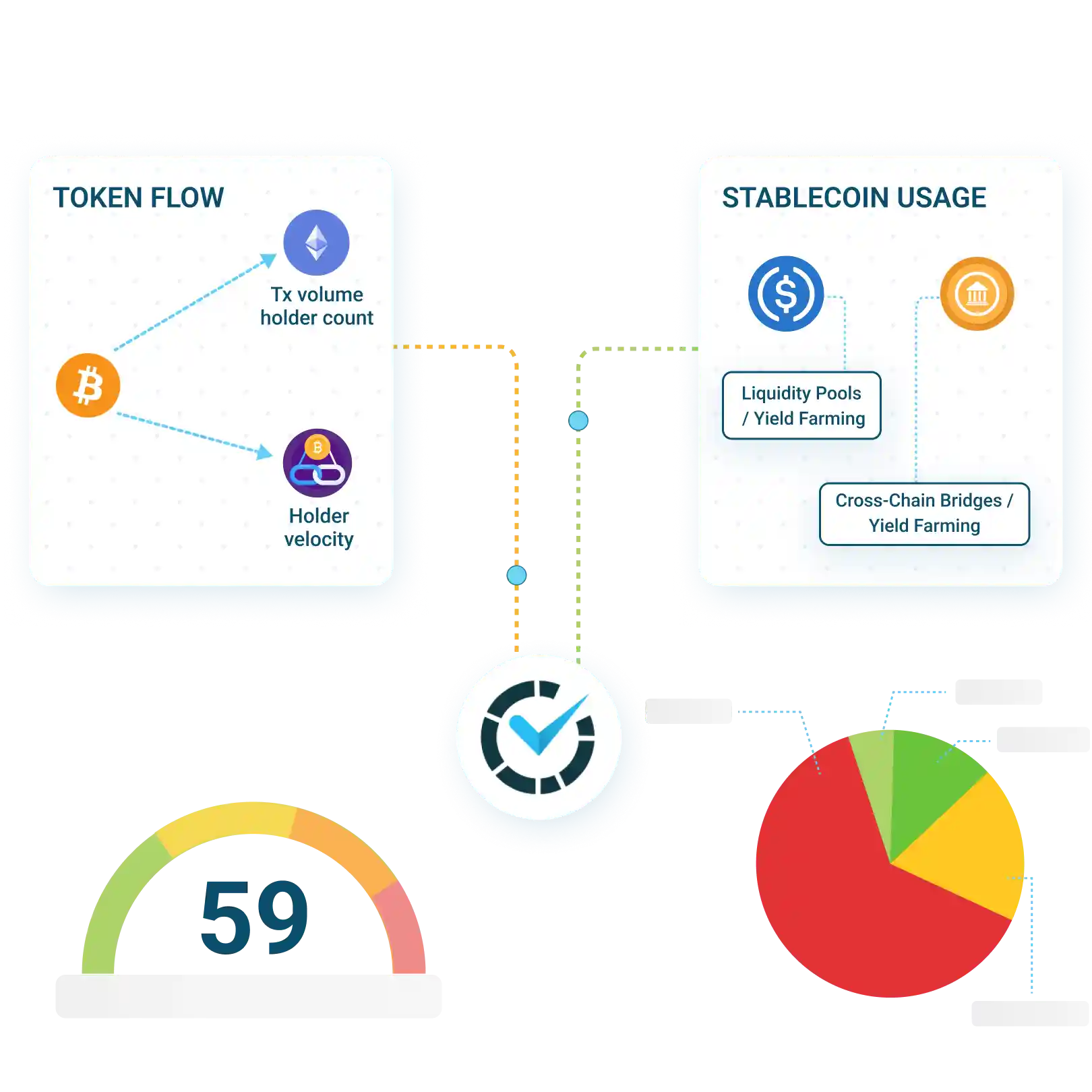
Monitor how tokens move, circulate, and interact on-chain.

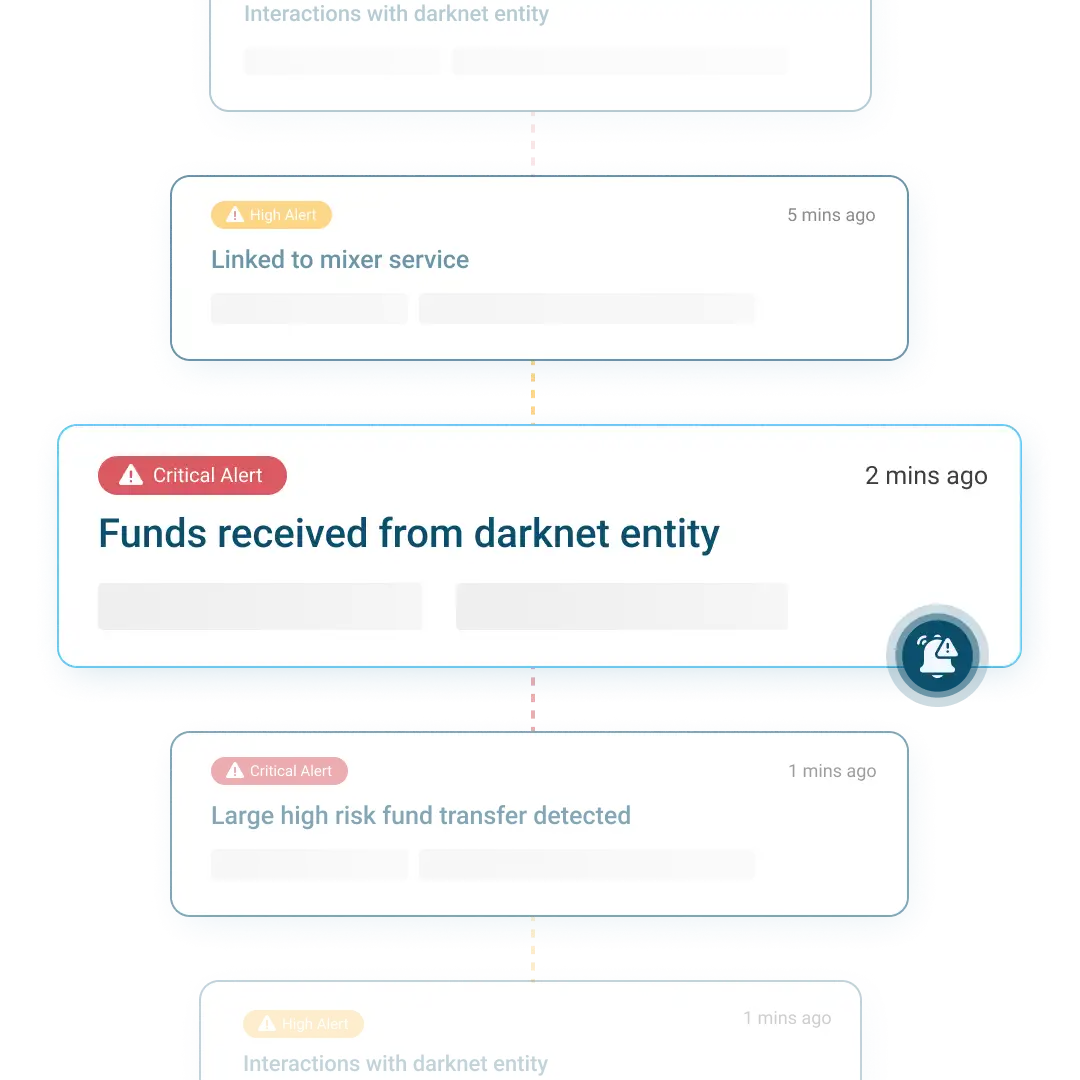
Identify exposure to high-risk services, entities, or behaviors.
Understand how tokens are used beyond initial issuance.
Adapt monitoring rules to token-specific circulation patterns.
Track token activity across multiple supported blockchains.
Support internal oversight with structured on-chain analysis outputs.


Token and stablecoin issuers must monitor how assets circulate beyond initial issuance, often across multiple platforms and jurisdictions. Understanding on-chain flows, secondary market usage, and exposure to risky counterparties is essential to manage risk and support transparency without controlling market behavior.
Monitor how tokens and stablecoins circulate on-chain to understand usage and exposure patterns.
Token / RWA Monitoring
Analyze wallets interacting with issued tokens to identify risk signals and counterparties.
Wallet Screening
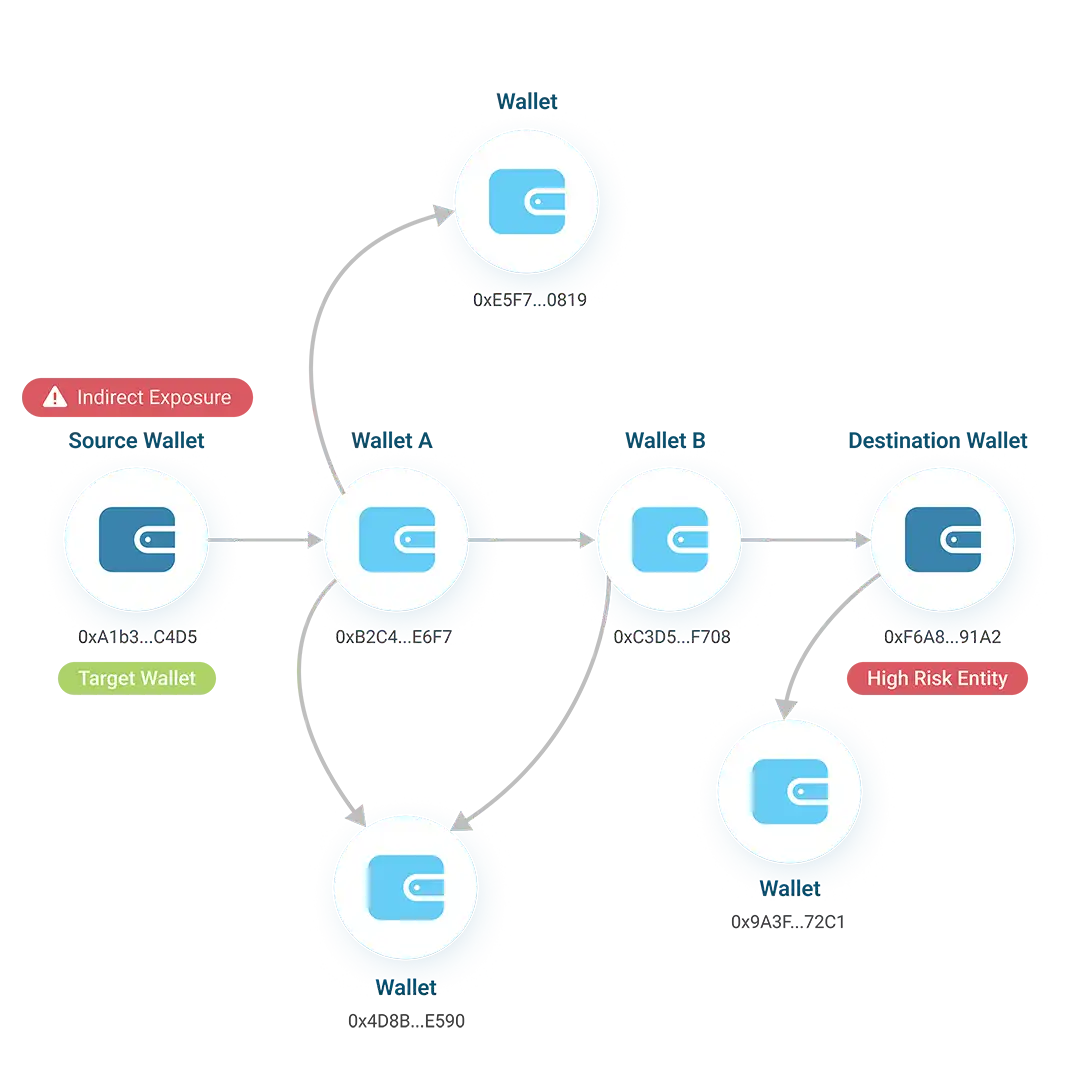
Visualize token-related fund flows to assess indirect exposure and complex interactions.
Graph & Flux Analysis
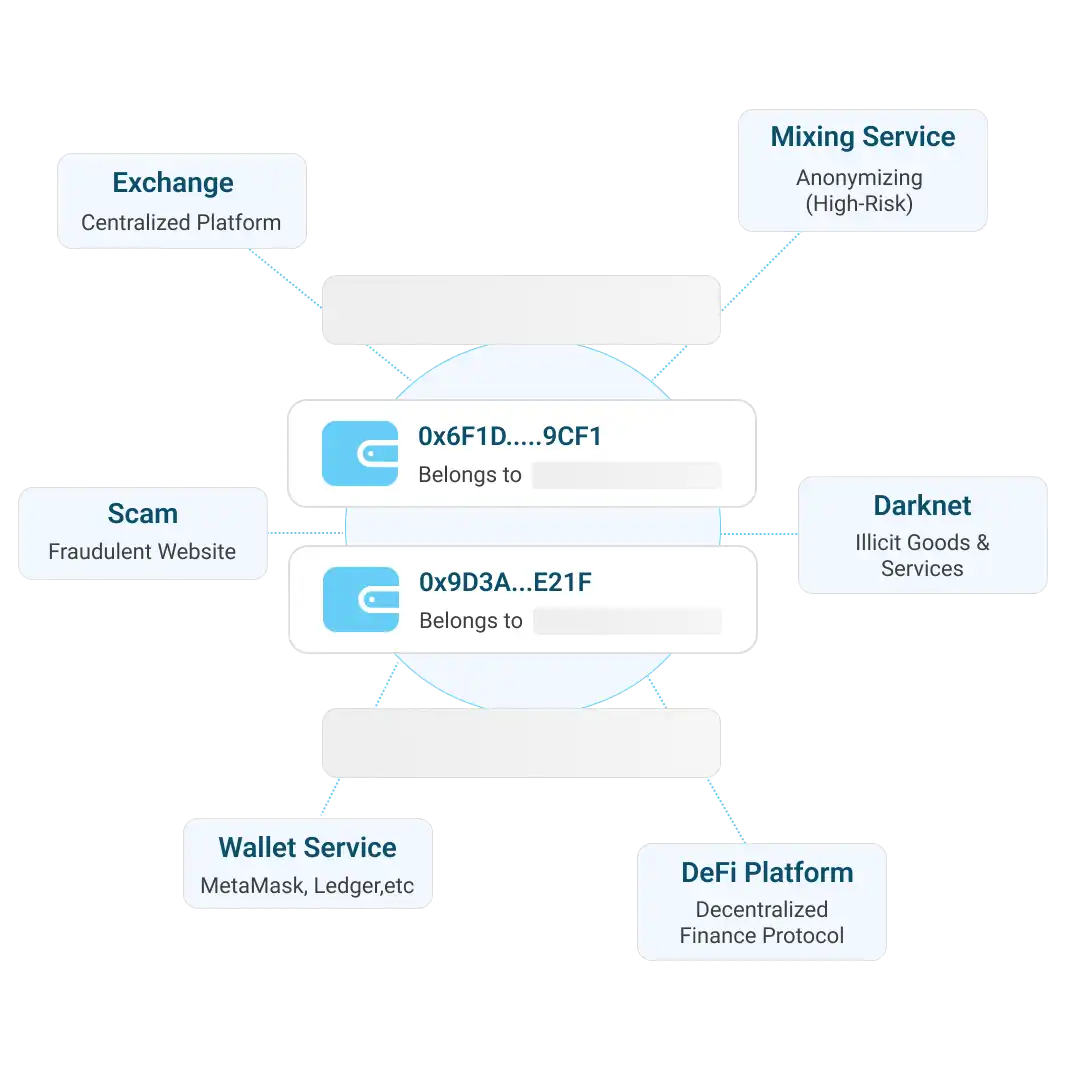
Contextualize token activity by identifying known services and entities involved.
Entity Directory
Issuers need visibility into how their assets circulate beyond initial issuance to understand usage patterns, detect emerging risks, and identify exposure to high-risk services or behaviors.
Yes. Scorechain monitors token and stablecoin flows across multiple supported blockchains, providing consistent oversight across different environments and networks.
Scorechain enables issuers to understand how their tokens are used in secondary markets, including interactions with wallets, services, and protocols, without interfering with market activity.
Yes. Entity context helps identify exchanges, protocols, and other services involved in token activity.
Understand how your tokens move, who interacts with them, and where risk emerges across on-chain environments.