Blockchain

Learn what blockchain is and how it works. Explore key features, types, and use cases of blockchain technology in this clear, beginner-friendly glossary definition.
350+ COMPLIANCE & DIGITAL ASSET TEAMS TRUST US

Logo of Taurus in black uppercase letters with a small pink square accent on the top left of the T.
Caceis Investor Services logo with the tagline solid & innovative.
Regtank logo with a green horizontal line crossing the text.
Banque Delubac & Cie company logo with the text 'Depuis 1924'.
Changelly logo featuring a green rocket icon next to the word 'changelly' in lowercase gray letters.
OSL logo with text Asia's leading digital asset brokerage.
Logo of Taurus in black uppercase letters with a small pink square accent on the top left of the T.
Caceis Investor Services logo with the tagline solid & innovative.
Regtank logo with a green horizontal line crossing the text.
Banque Delubac & Cie company logo with the text 'Depuis 1924'.
Changelly logo featuring a green rocket icon next to the word 'changelly' in lowercase gray letters.
OSL logo with text Asia's leading digital asset brokerage.

What is

Blockchain

?

Blockchain – Glossary Definition

What is a Blockchain?

A blockchain is a distributed digital ledger that records transactions across a network of computers in a way that ensures the data is secure, transparent, and tamper-proof.

Each transaction is grouped into a “block” and added to a chronological “chain” of previous transactions—hence the name blockchain. This structure is decentralized, meaning no single entity controls the data, and it’s maintained collectively by all participants in the network.

🔑 Key Features of Blockchain:

  • Decentralization:
    Unlike traditional databases managed by a central authority, blockchains operate across a peer-to-peer network.
  • Transparency:
    Most blockchains are public, allowing anyone to view the transaction history.
  • Immutability:
    Once a block is recorded and confirmed, its data cannot be changed or deleted without altering the entire chain.
  • Security:
    Blockchain uses cryptographic algorithms to ensure that transactions are verified and protected from tampering.

🧠 Common Use Cases

  • Cryptocurrencies (e.g., Bitcoin, Ethereum)
  • Supply Chain Tracking
  • Digital Identity Verification
  • Smart Contracts
  • Voting Systems
  • Financial Services (DeFi)

📌 Types of Blockchains

🧾 Related Terms

  • Distributed Ledger Technology (DLT)
  • Smart Contract
  • Tokenization
  • Consensus Mechanism
  • Cryptographic Hash

🤔 Why It Matters

Blockchain technology is the foundation of the modern decentralized internet, reshaping industries from finance to logistics. Understanding how it works is essential for anyone engaging with digital assets, fintech, or emerging technologies.

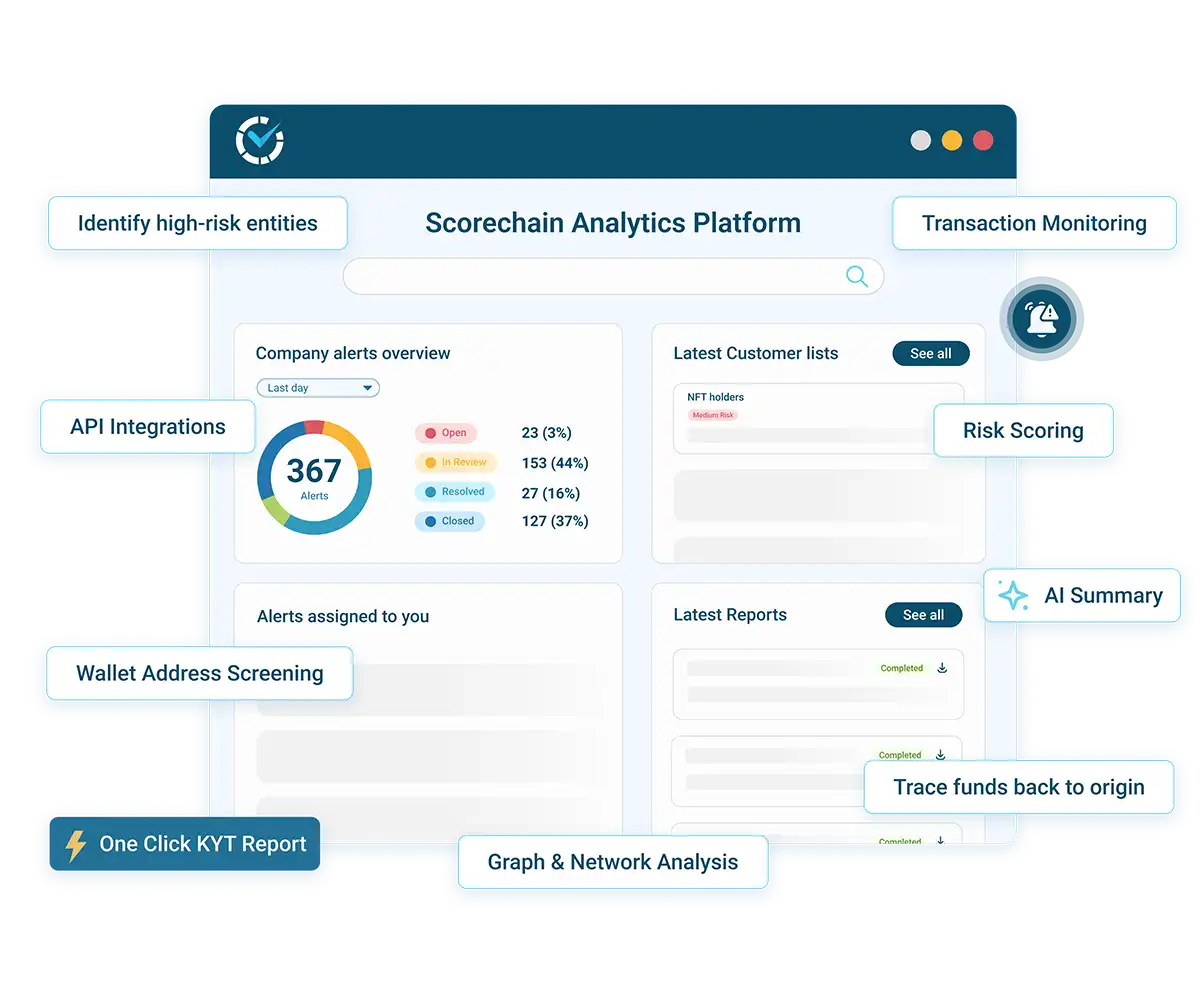
Want to take your Crypto Compliance to the next level?