









Web3 companies build products across multiple blockchains and decentralized architectures, interacting with on-chain assets, protocols, and users in fast-evolving ecosystems.
Scorechain helps Web3 teams understand on-chain risk and meet emerging compliance expectations without constraining product design or development velocity.

Analyze on-chain activity across diverse Web3 use cases.

Monitor activity across multiple blockchains and environments.

Configure risk rules adapted to Web3-specific behaviors.

Integrate risk analysis easily into decentralized or hybrid architectures.

Monitor on-chain activity as products and user bases grow.

Adapt risk workflows to evolving Web3 models and architectures.



Web3 companies operate in open, composable ecosystems where funds and interactions flow across protocols, chains, and users. They must understand on-chain risk and prepare for increasing regulatory expectations while preserving flexibility, decentralization, and rapid iteration.
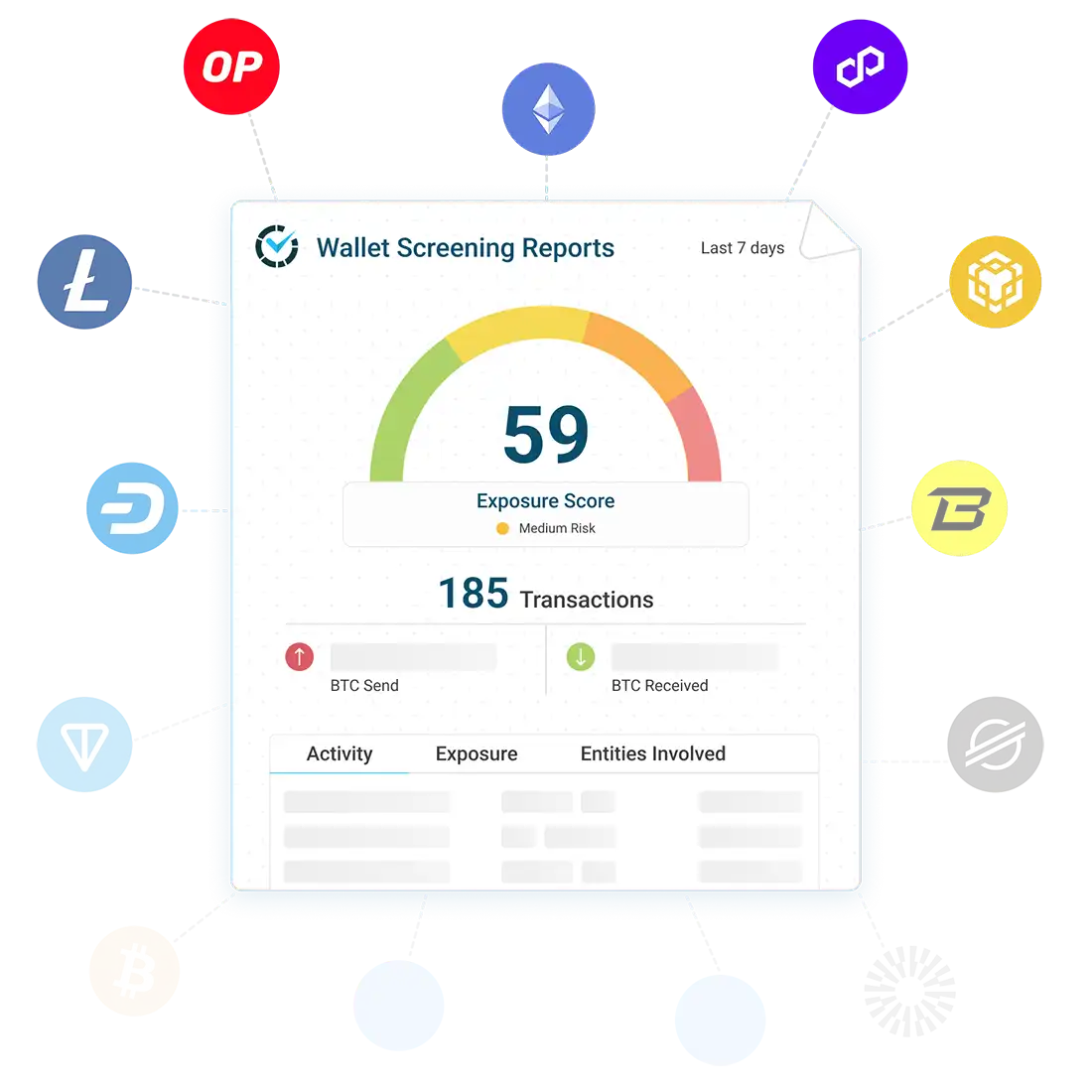
Screen wallet addresses to identify counterparty risk before interacting on-chain.
Wallet Screening
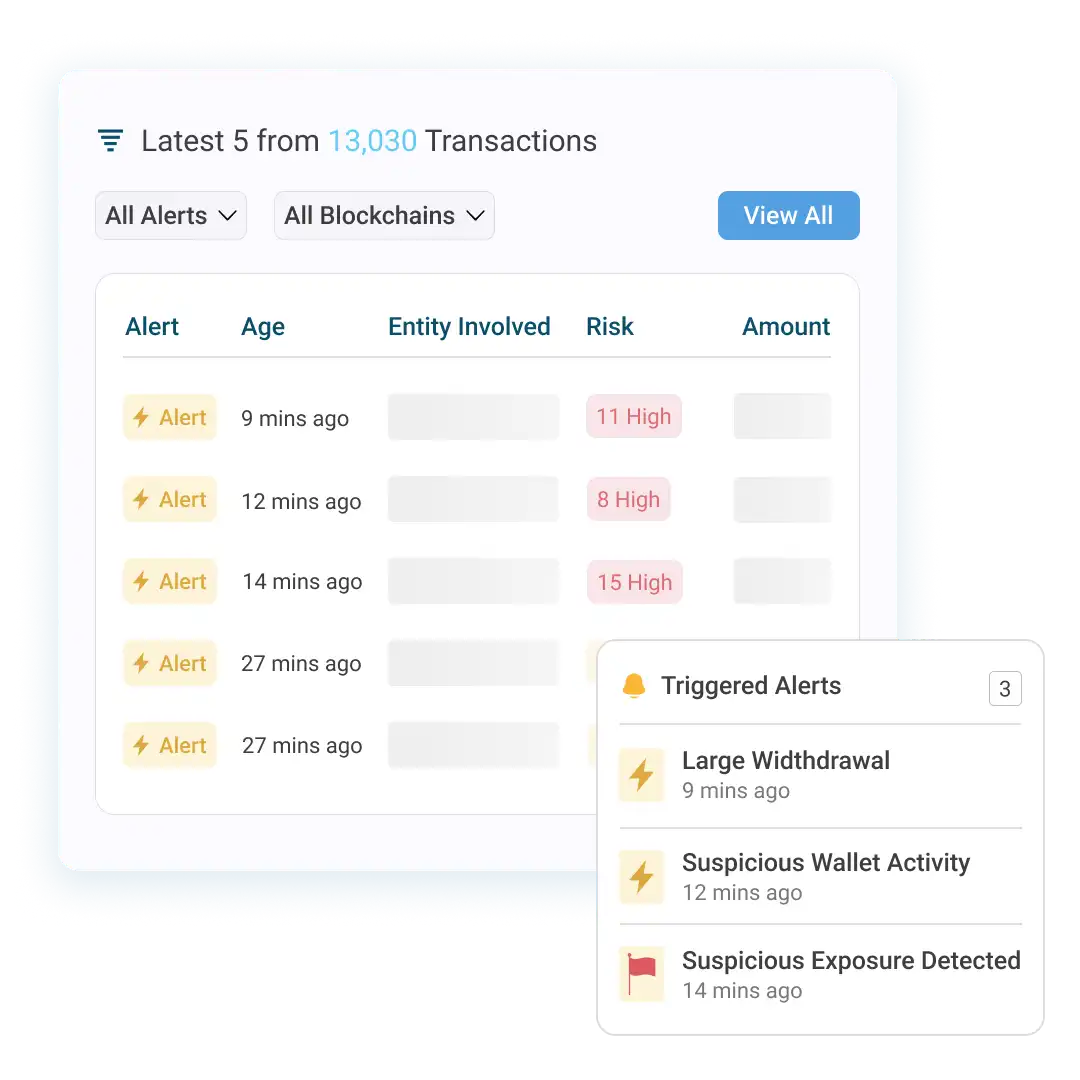
Monitor address activity and transactions over time to detect evolving on-chain risk.
Transaction Monitoring (TMS)
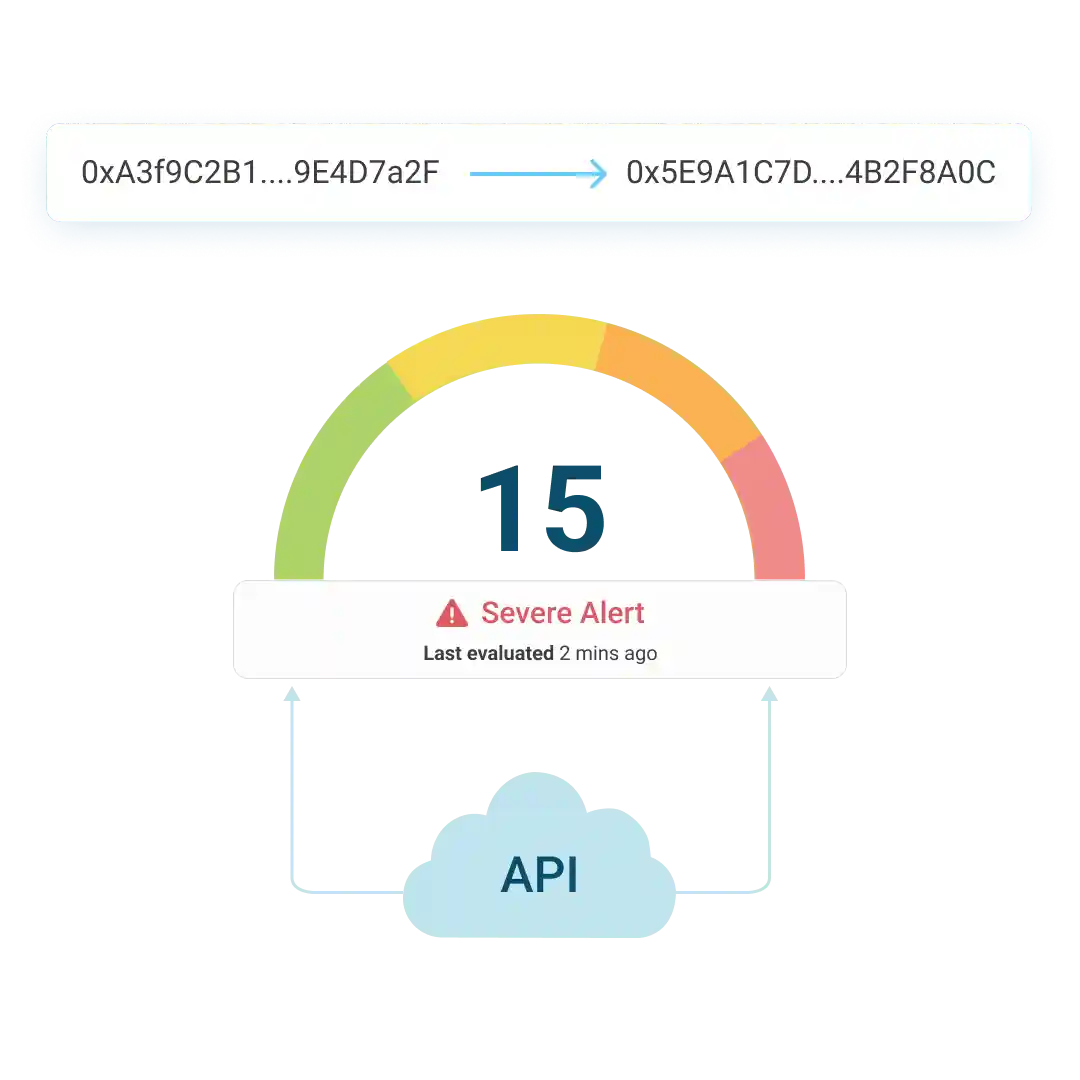
Integrate on-chain risk analysis directly into Web3 products using flexible APIs.
API
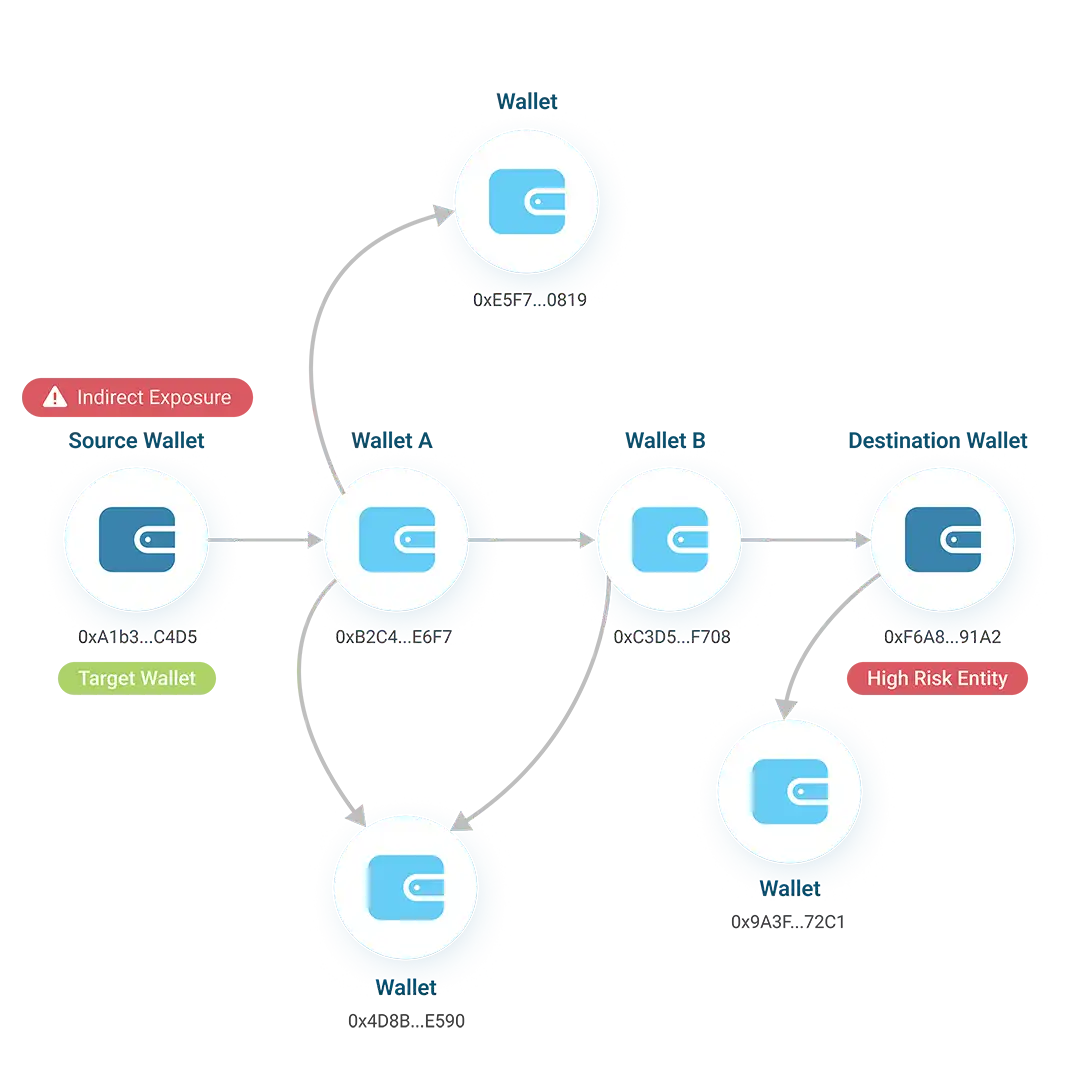
Explore fund flows and relationships to identify indirect exposure and complex interactions.
Graph & Flux Analysis
Scorechain helps Web3 teams analyze on-chain risk, monitor activity, and integrate risk controls without limiting decentralization or product flexibility.
Yes. Scorechain offers flexible, API-first integration that works with decentralized, hybrid, and protocol-based architectures.
Scorechain supports risk analysis across multiple blockchains commonly used by Web3 protocols, with expanding coverage.
Scorechain is designed to be lightweight and modular, allowing teams to add risk analysis without impacting development velocity.
See how Scorechain helps Web3 teams understand on-chain risk, integrate compliance tools, and stay prepared for evolving regulatory expectations.